
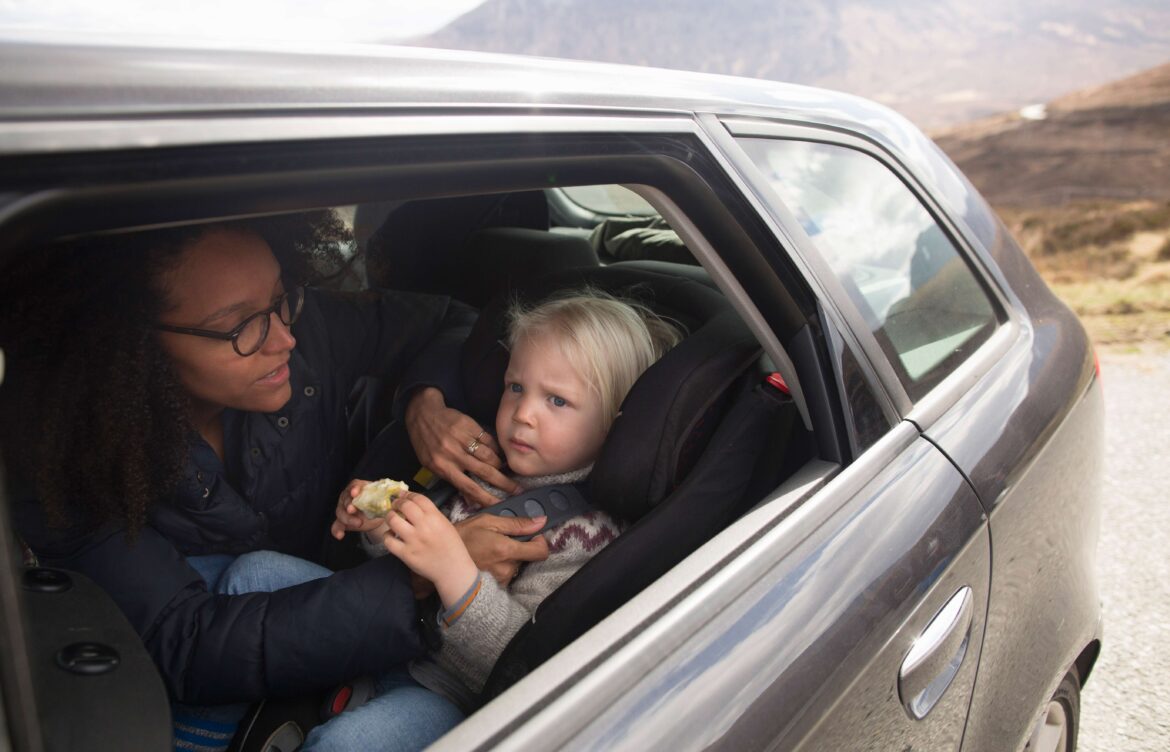
Surviving Road Trips
Traveling by car with a young child can become difficult when motion sickness appears during long or short trips. What carsickness in a toddler is, why it happens, where it appears most often, and how road trips can be organized in a calmer and safer way for everyone involved.
What Carsickness Means in Early Childhood
Carsickness is a reaction of the body to movement when the inner ear and the eyes send different signals. In toddlers this system is still developing, so balance control works in a less stable way. During road travel the body feels motion, but the eyes may focus on objects inside the car. This conflict may cause nausea, dizziness, and pain.
People with this condition often have pale skin, sweat, cry, act tired, and sometimes throw up. These signs usually show up after you’ve been driving for a while, especially on roads with curves or stops. Carsickness is not a disease. It is a short–term condition that has to do with movement and processing sensory information.
Some children experience it often; others only in certain situations. The reaction can change with age and usually becomes weaker when the nervous system matures.
Common Situations That Trigger Carsickness
Carsickness does not appear in all trips. Certain conditions increase the chance of symptoms. Long drives without breaks are one factor. Another factor is poor airflow inside the car. Visual focus also plays a role, especially when a toddler looks down or sideways.
Road type matters as well. Mountain roads, city traffic with frequent stopping, and uneven surfaces can disturb balance more than straight highways. Time of day can influence comfort because tiredness makes the body react stronger.
Preparing the Car and the Schedule

Preparation before driving reduces stress during the trip. Planning does not remove carsickness completely, but it can lower its intensity. The goal is to make movement more predictable for the body.
Important preparation elements include:
- Clean air inside the car, without strong smells
- A regular travel rhythm with planned stops
- Clothing that does not press the stomach area
- A calm environment without loud sound
These steps support comfort but also help adults react earlier to warning signs. Preparation also includes choosing the right travel time. Early morning or nap hours are often calmer because the child is more relaxed.
Seating Position and Visual Orientation
Where a toddler sits influences how movement is felt. A forward–facing view helps the eyes and inner ear work together. When the child can see the road ahead, motion becomes easier to understand for the brain.
Looking outside instead of inside objects reduces confusion. Toys, screens, or books that require close focus can increase symptoms. A simple view of the horizon works better than detailed visuals.
Seat position should also allow proper ventilation. Fresh air helps regulate nausea. Safety rules must always be followed, and the seat must be installed correctly according to age and size.
Food, Drinks, and Body Signals
Eating habits before and during the trip affect carsickness. A completely empty stomach can cause weakness, while heavy food can increase nausea. Light meals before travel are usually better tolerated.
Water supports hydration, but sweet drinks can disturb the stomach. Small amounts taken slowly are easier to manage. Snacks should be dry and simple.
Common supportive food choices include:
- Plain crackers or dry bread
- Sliced apple without skin
- Rice–based snacks without flavor
These foods are neutral and do not create strong smells. Watching body signals is important. When early signs appear, stopping the car for a short break can prevent stronger reactions.
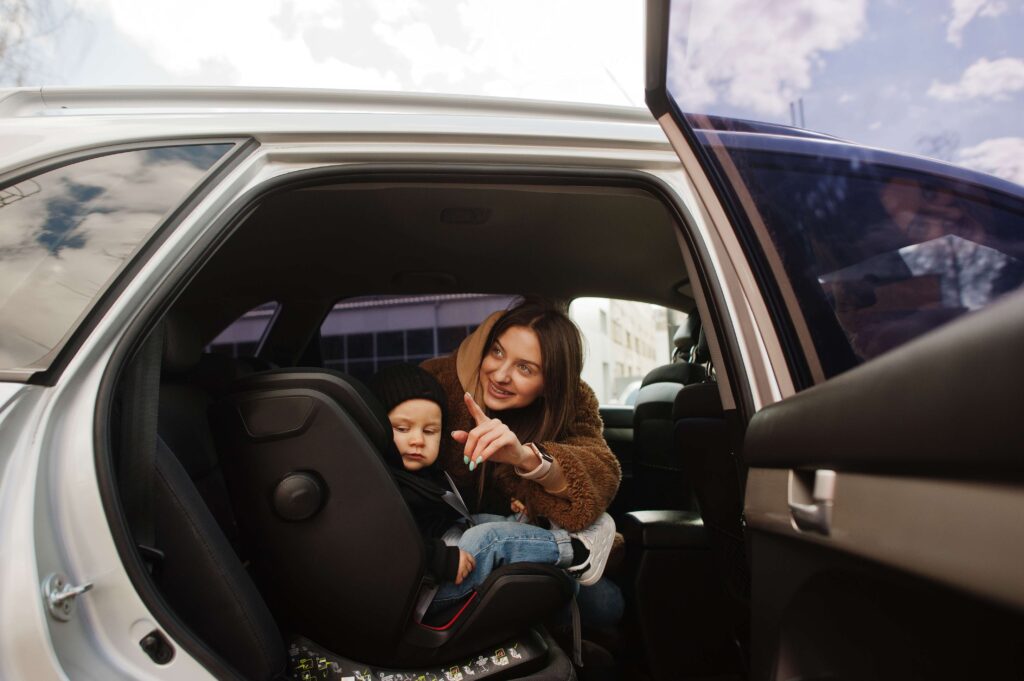
Managing the Trip While Driving
During the drive, adult behavior influences how the situation develops. A calm reaction helps the child feel safe. Sudden stress can make symptoms stronger.
Smooth driving style is important. Sharp turns and fast acceleration disturb balance. Gentle movement gives the body time to adapt. Keeping the car cool also supports comfort.
Communication matters even with limited language skills. Simple words and calm voice explain what is happening. The child does not need full understanding, but reassurance lowers tension.
Long–Term Adaptation and Development
Carsickness often changes over time. As coordination improves, many children experience fewer symptoms. Regular but short exposure can help the body adapt slowly.
There is no single method that works for all toddlers. Observation helps identify patterns. Some react more to visual focus, others to road type. Recording these patterns supports better planning later.
Traveling or being a parent shouldn’t be seen as a failure if you get carsick. It is a response to movement that happens as a person grows. Road trips can be easier and less stressful for both kids and adults if they have a plan, are patient, and pay attention to their bodies.